Freight Shipping 101
Freight shipping is the transportation of goods and cargo by truck, train, ship or airplane, usually for loads too large for parcel services. At Shipixy, any shipment over 150 lbs ships as freight.
These guides cover the fundamentals in order: how freight shipping works, the documents it needs, packaging and labeling, transportation modes, freight classification, Incoterms, security and insurance, and common challenges. A bill of lading, for example, is both the receipt for your goods and the contract of carriage. Incoterms are rules from the International Chamber of Commerce (ICC) that set out what buyer and seller each pay for and handle.
Look up any term in the Freight Glossary. When you are ready to ship, compare our Freight Shipping Services or get a free freight quote.
Overview of Freight Shipping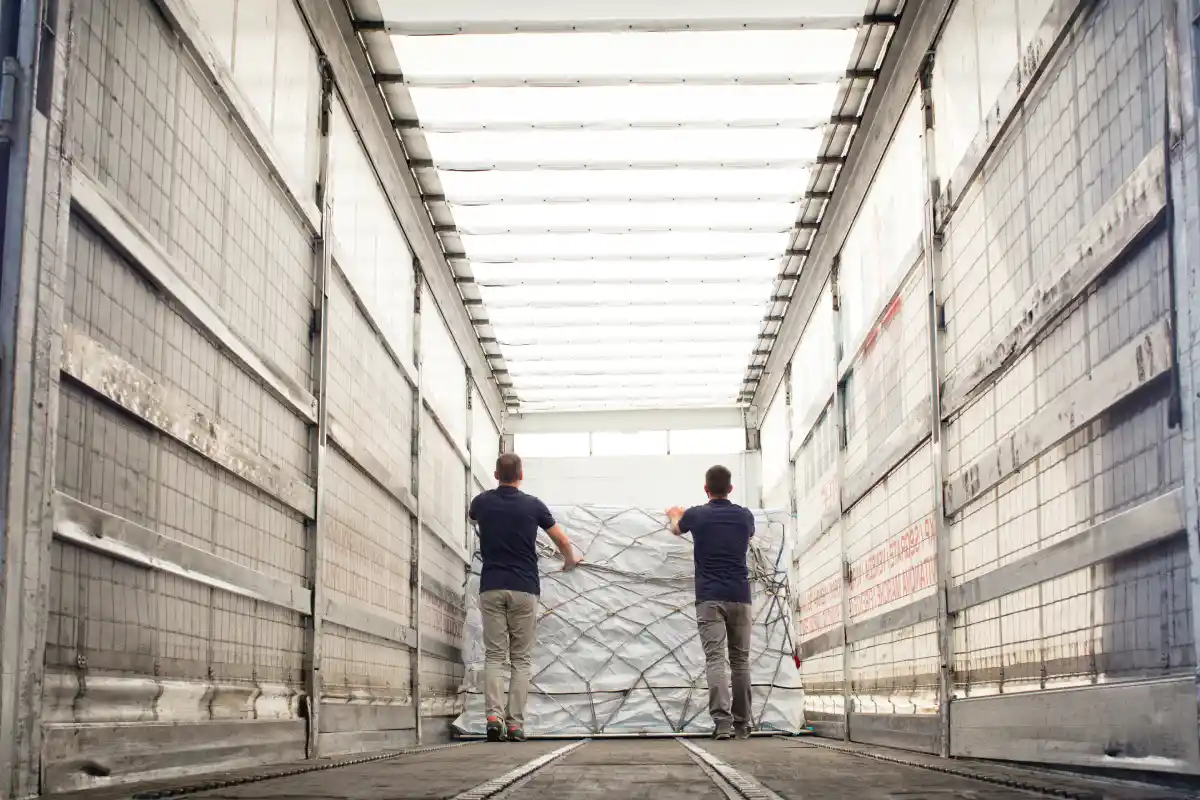
Overview of Freight Shipping
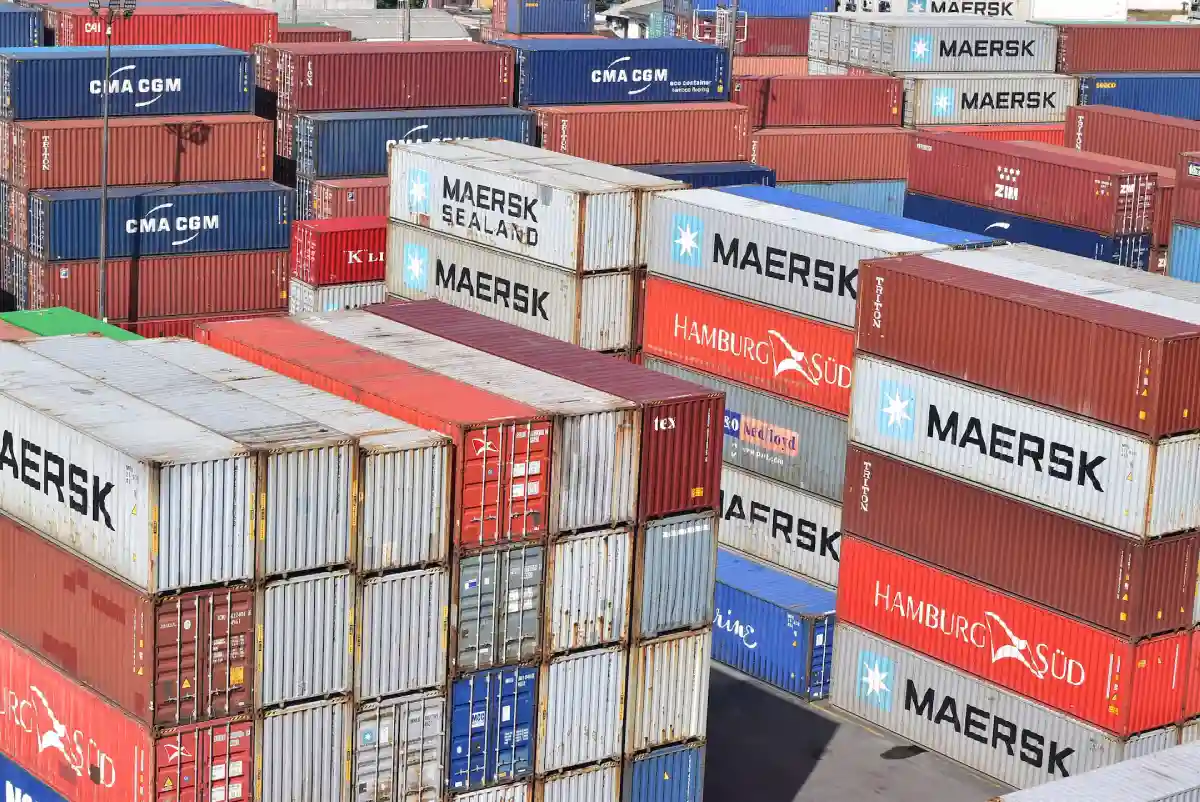
How Freight Shipping Works?
Freight Shipping Terms and Definitions
Terms and Definitions
Freight Shipping Documentation
Documentation for Freight Shipping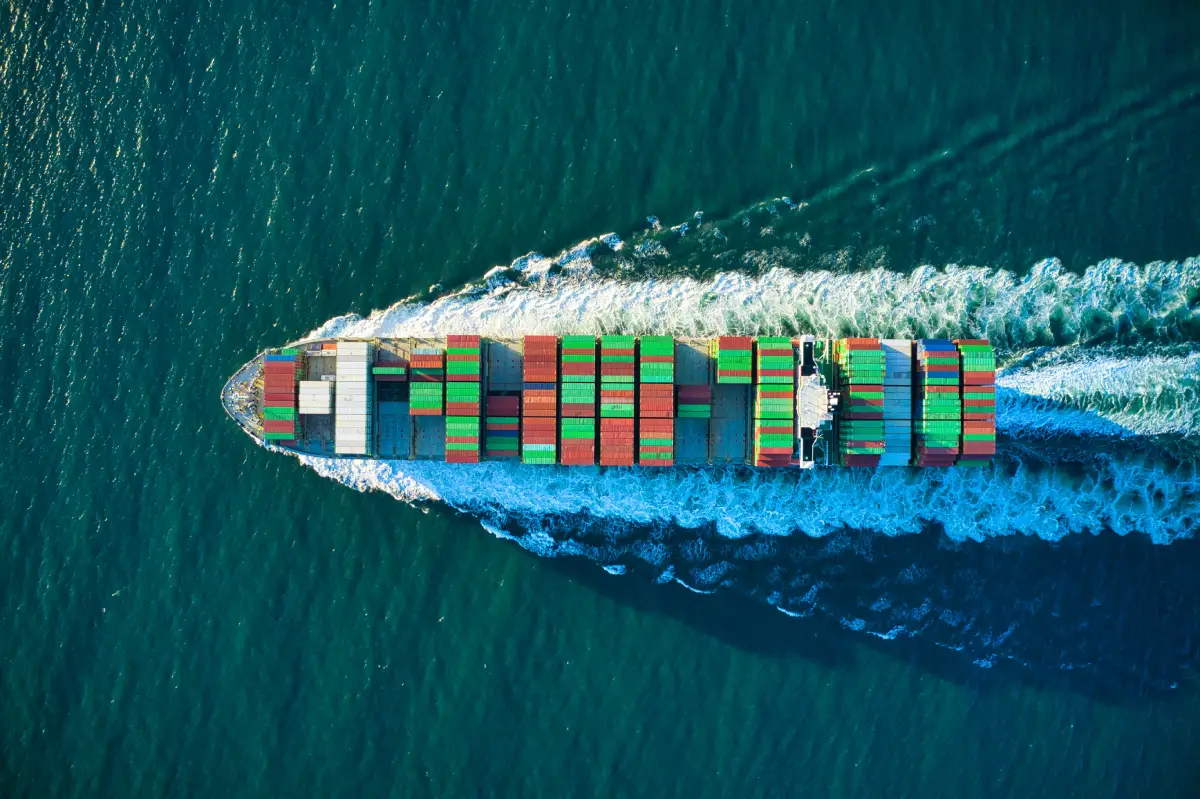
Packaging and Labeling Freight Shipments
Packaging & Labeling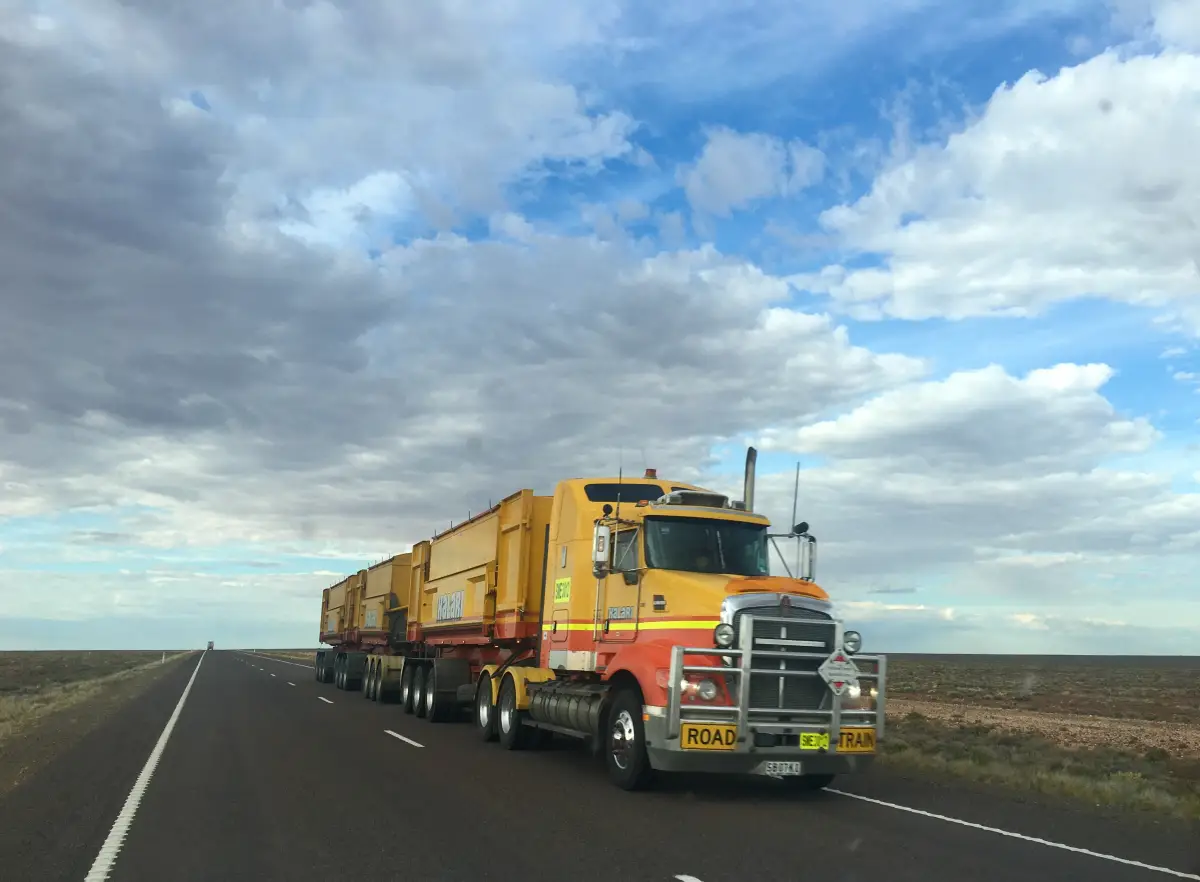
Transportation Modes in Freight Shipping: Trucks, Trains, Ships, and Airplanes
Transportation Modes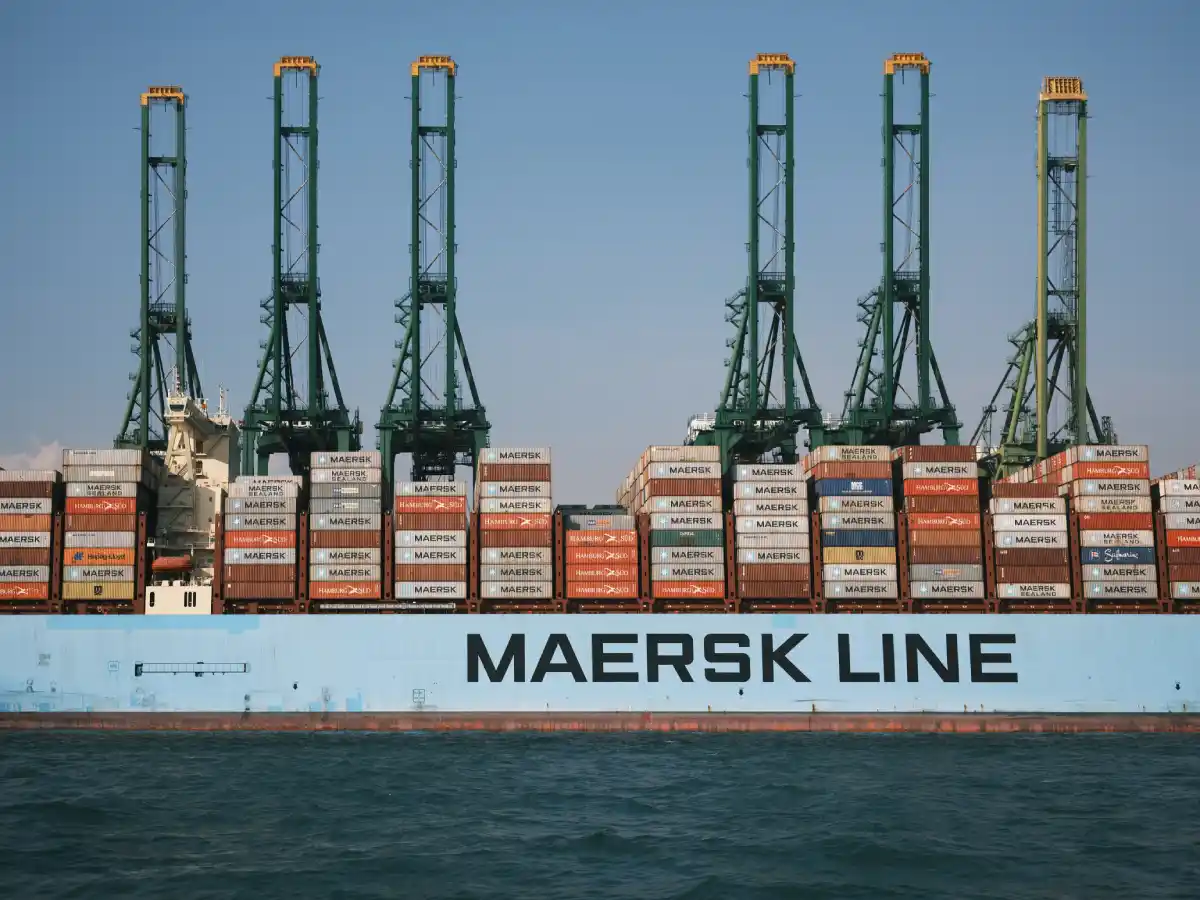
Freight Classification: A Comprehensive Guide to Pricing and Handling
Freight Classification
Incoterms

Freight Shipping Security and Insurance: Protecting Your Cargo and Minimizing Risks
Security & Insurance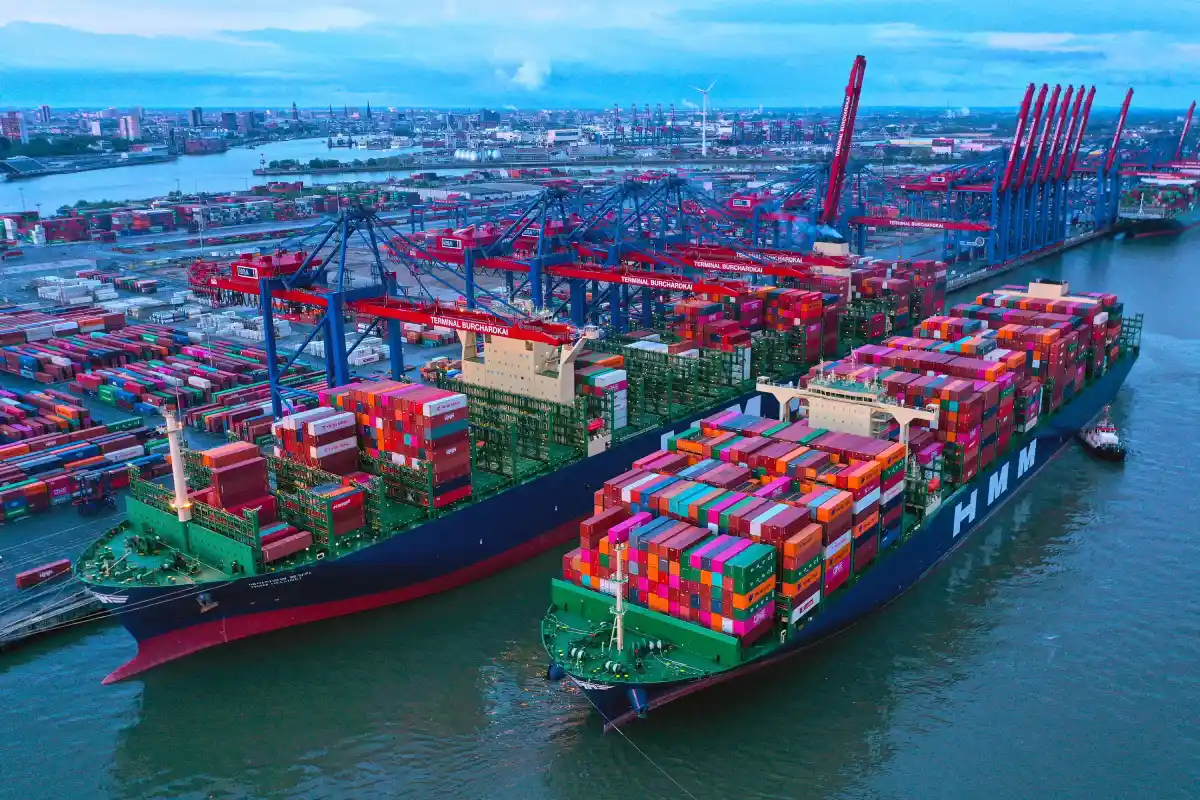
Common Challenges in Freight Shipping and How to Overcome Them
Common Challenges